







Search Results for: automated coffee machines
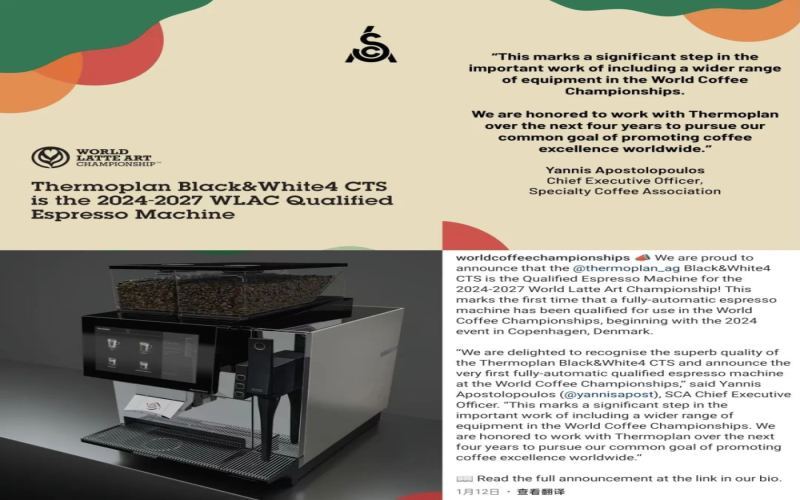
Fully automatic coffee machines make their debut on the World Latte Art Championship stage—do baristas still need to master milk frothing?
In 2024, the Specialty Coffee Association announced that the Thermoplan Black&White4 CTS would become the designated fully automatic espresso machine for the World Latte Art Championship, marking the first time a fully automatic machine has appeared on the stage of this competition. As soon as the news broke, it quickly sparked heated discussion on social media: does a world latte art champion not need to know how to steam milk? Some netizens believed this undermined the artistry of baristas, while others felt that automation is already an irreversible trend. What kind of performance can a fully automatic machine actually deliver? And how will the role of the barista evolve? This article takes you through the whole story and the views of all sides, and explores the path to balance in the coffee industry amid the wave of automation. [more…]
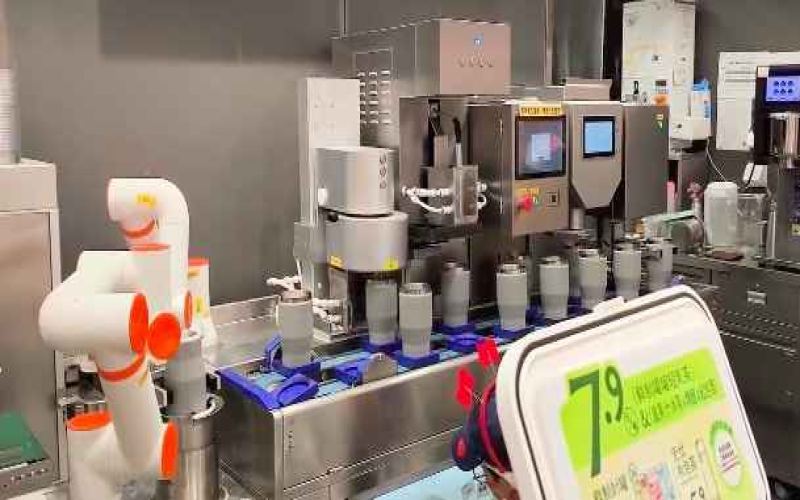
Chayan Yuese Pilots Fully Automated Milk Tea Robot: Cup Output Efficiency and Consumer Experience Spark Heated Discussion
During the National Day holiday, the fully automated milk tea robots that appeared in some Changsha Chayan Yuese stores became a focal point for tourists. Customers noticed that staff only needed to place a labeled cup in the designated position, and the robotic arm could complete most of the preparation process, with only the cream top needing to be added before handover at pickup. This experiment sparked polarized discussion online: supporters believe standardized operations help ensure consistent output and reduce the burden on employees; opponents point out that during peak customer flow, the robot's cup output speed is actually slower than manual work, resulting in longer waits, and equipment cleaning and customization needs still depend on staff handling. Whether automated tea-making can truly integrate into the freshly made tea beverage scenario has become a new topic of discussion in the industry. [more…]

Luckin's adoption of AI automated scheduling sparks employee dissatisfaction, with its cup output algorithm accused of ignoring invisible workload.
Luckin Coffee recently launched an internal AI-based store scheduling system that collects historical business data to predict the daily staffing and working hours needed at each store, attempting to allocate existing manpower more efficiently. However, this seemingly scientific automatic scheduling has drawn widespread complaints from many Luckin employees. They point out that the system uses hourly cup output as its core reference only, completely ignoring a large amount of invisible work such as cleaning, ingredient preparation, and expiration checks, leaving baristas working alone exhausted and even forced to work unpaid overtime just to finish up. Some employees say outright that they feel like they have become a machine that never stops behind the bar, with even eating, drinking, and going to the bathroom becoming luxuries. This efficiency reform driven by algorithms is pushing frontline baristas to the brink of physical and mental exhaustion. [more…]
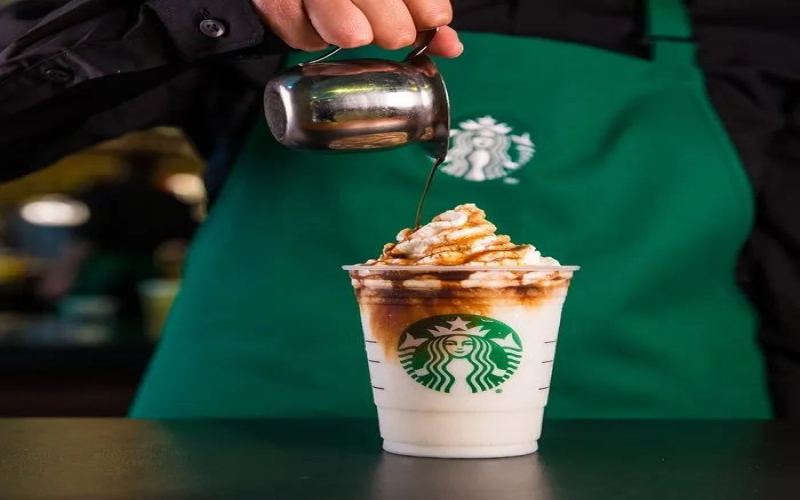
Behind Frappuccino's Sales Supremacy: Starbucks' Loss of Coffee Culture and Automation Dilemma
Professional coffee knowledge exchange For more coffee bean information, please follow Coffee Workshop (WeChat official account cafe_style) For more specialty coffee beans, please add the private WeChat of Front Street Coffee (FrontStreet Coffee), WeChat ID: qjcoffeex When cold drinks account for more than 70% of Starbucks sales, this brand built on espresso is undergoing an identity crisis. Howard announced at an investor briefing the launch of the Siren System automated equipment, compressing the making of a Mocha Frappuccino to 36 seconds and 13 steps—the other side of improved efficiency is the reduction of opportunities for baristas to interact with customers, as well as partners' concerns about the increasingly diluted coffee culture. From the rise of Frappuccino to the innovation of cold brew, from the emergence of delivery scenarios to the taste preferences of millennials, Starbucks is standing at the crossroads of efficiency and experience. [more…]

Supermodel Robot Café Coming Soon to Dubai: Will Fully Automated Unmanned Service Replace Baristas?
What happens when barista craftsmanship meets supermodel robots? According to British media reports, the world's first supermodel robot café, Donna Cyber Café, is planned to open in Dubai in 2023. The robot waitstaff are modeled after Eastern European model Diana Gabdullina, featuring silicone skin and lifelike eyes, and can even recognize customers' emotions. The store will operate 24 hours a day, with everything from making coffee to serving ice cream done entirely by robotic arms. Meanwhile, domestically, unmanned coffee kiosks represented by COFE+ are also expanding rapidly and have already been exported to multiple countries. Will robots steal baristas' jobs, or drive the industry's upgrading? This article takes you to find out. [more…]
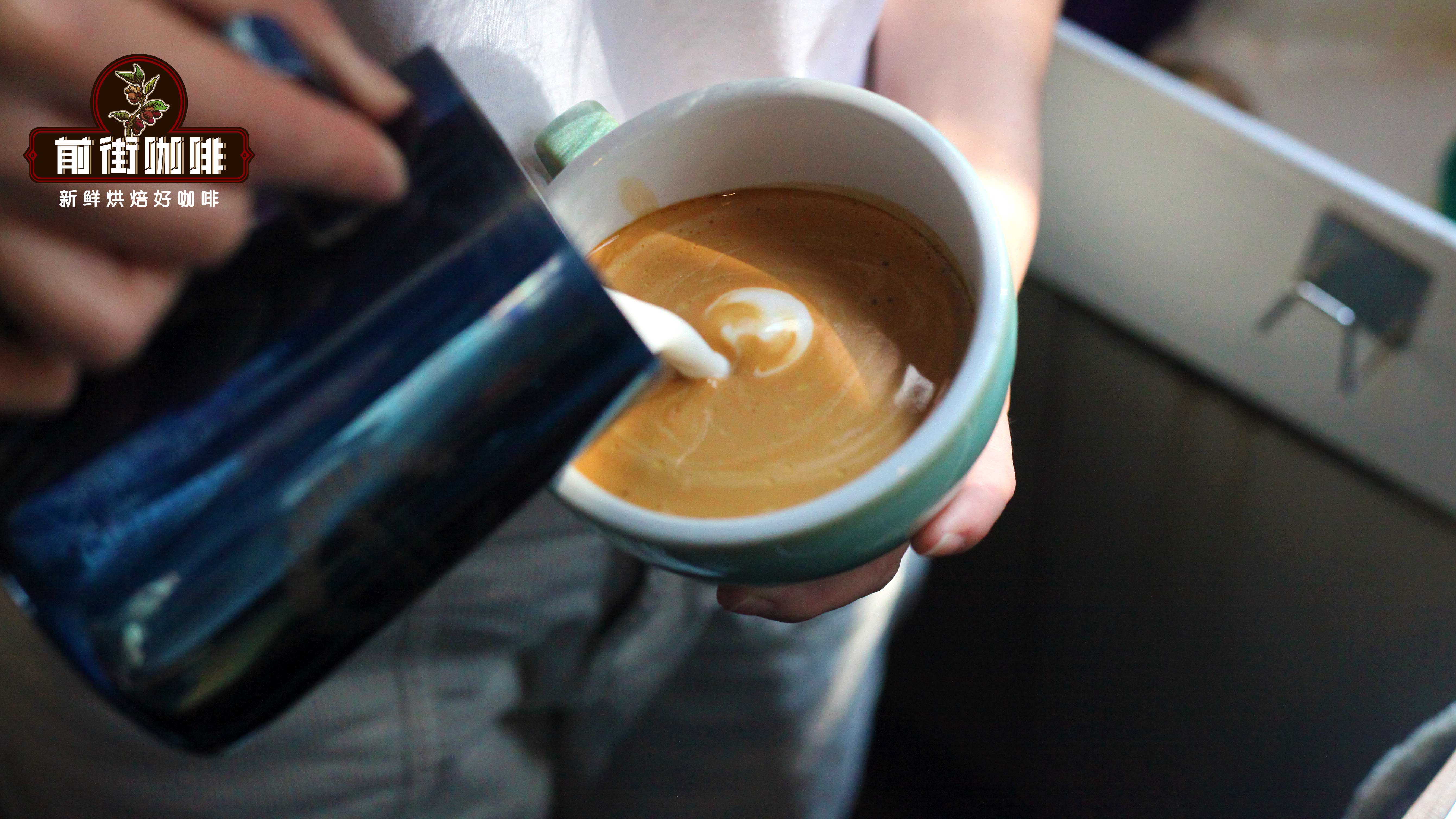
How do you use a drip coffee maker? What coffee beans are more suitable for a fully automatic model?
As coffee equipment continues to evolve, automatic brewing machines can already complete a series of actions such as pouring water, rotating, and dripping, and even automatic milk frothing and latte art are no longer rare. So, how exactly do you use these American-style drip or fully automatic coffee machines? What coffee beans are they suitable to pair with? How does the flavor they brew differ from manual pour-over? This article uses a comparison experiment at Front Street Coffee as a thread to fully recreate the operating process and parameter settings of automatic brewing, and from the perspectives of extraction concentration and flavor layering, analyzes the respective advantages of machine brewing and manual pour-over, while also giving coffee bean purchasing suggestions for different taste preferences, helping coffee enthusiasts view automated brewing more rationally. [more…]
How can an automatic pour-over coffee machine brew good coffee? Which coffee beans are suitable for American-style fully automatic models?
As technology continues to advance, coffee brewing has entered the era of automation. Automatic milk frothing and automatic latte art have long been commonplace, so can the ritual-rich pour-over coffee also be entrusted to a machine? This article, through a comparative experiment between an automatic brewing coffee machine and manual pour-over, uses the same Front Street Golden Mandheling, comparing grind size, coffee-to-water ratio, water temperature, and brewing technique one by one. The experiment not only tested whether the extraction yield fell within the golden cup range, but also conducted tasting from dimensions such as flavor layering and body thickness. At the same time, the article also provides suggestions for coffee beans suitable for pairing with automatic pour-over coffee machines, covering different roast levels and flavor orientations, helping enthusiasts choose equipment and beans more rationally. [more…]
Those "mistake pours" when baristas are slammed: Why does espresso vanish into thin air?
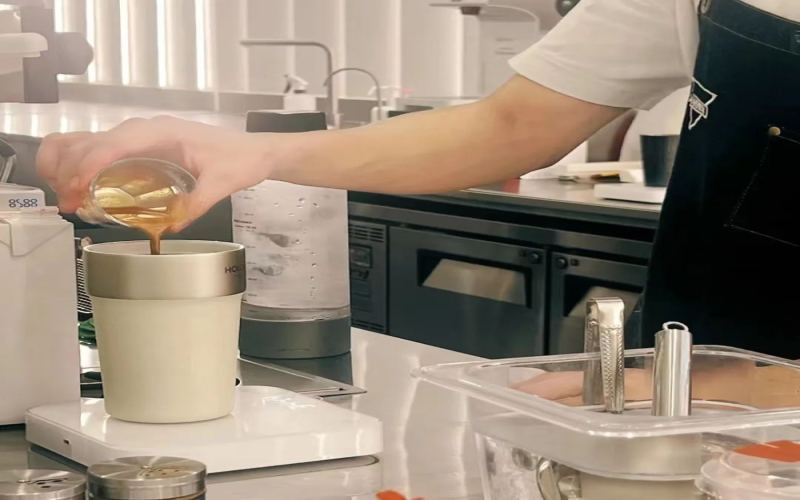
In a coffee shop, baristas repeat the motions of dosing, leveling, tamping, and extracting every day, until it becomes muscle memory. Yet once a rush hits, even the most skilled person can get flustered. This article rounds up the various coffee "fails" netizens have posted: an iced americano whose espresso vanished into thin air, a clear orange latte with nothing but milk left, a muddled iced lemon drink that forgot the coffee... Behind these unintentional mistakes, it's often a shortage of staff during peak hours or errors made in the rush of automated operation. As a consumer, when this happens, it's best to talk to the staff directly about remaking the drink or getting a refund—after all, everyone has moments when they're too busy to think straight. [more…]
Luckin's Kunshan roasting base breaks ground: second self-built factory boosts annual capacity to 45,000 tons and fresh supply for stores
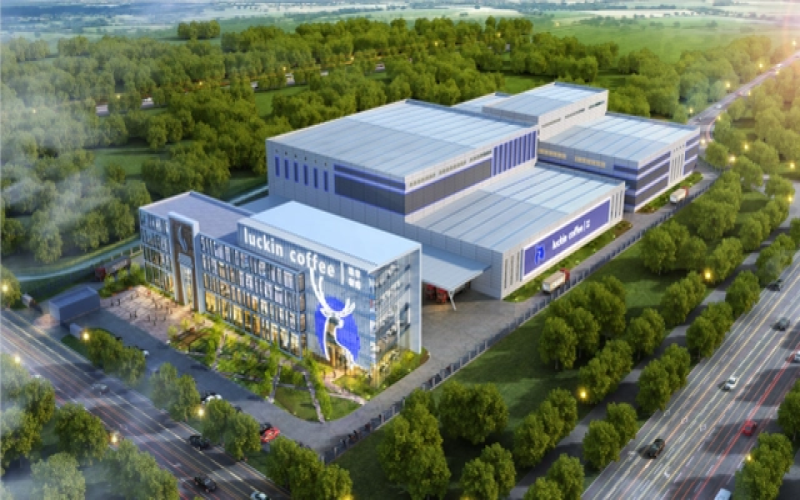
Luckin Coffee, which now operates over 7,846 stores, is accelerating its upstream supply chain expansion. Following the start of production at its first roasting plant in Pingnan, Fujian, Luckin's second fully automated smart roasting base—independently invested and built in Kunshan, Jiangsu—has recently broken ground and is expected to begin production in 2024. With a total investment of approximately US$120 million, the base covers 53,000 square meters and will have an annual roasting capacity of 30,000 tons, incorporating core equipment such as the Italian BRAMBATI roasting system. By then, Luckin's two major roasting bases will have a combined annual capacity of over 45,000 tons, supplying fresher and safer green coffee beans to stores nationwide while advancing the brand toward its goal of a globalized, refined supply chain. [more…]
The Origin of Drip Coffee Bags | What Flavors Do Filter Coffee Bags Offer? Recommended Delicious and Affordable Single-Origin Drip Coffee Bags for Beginners
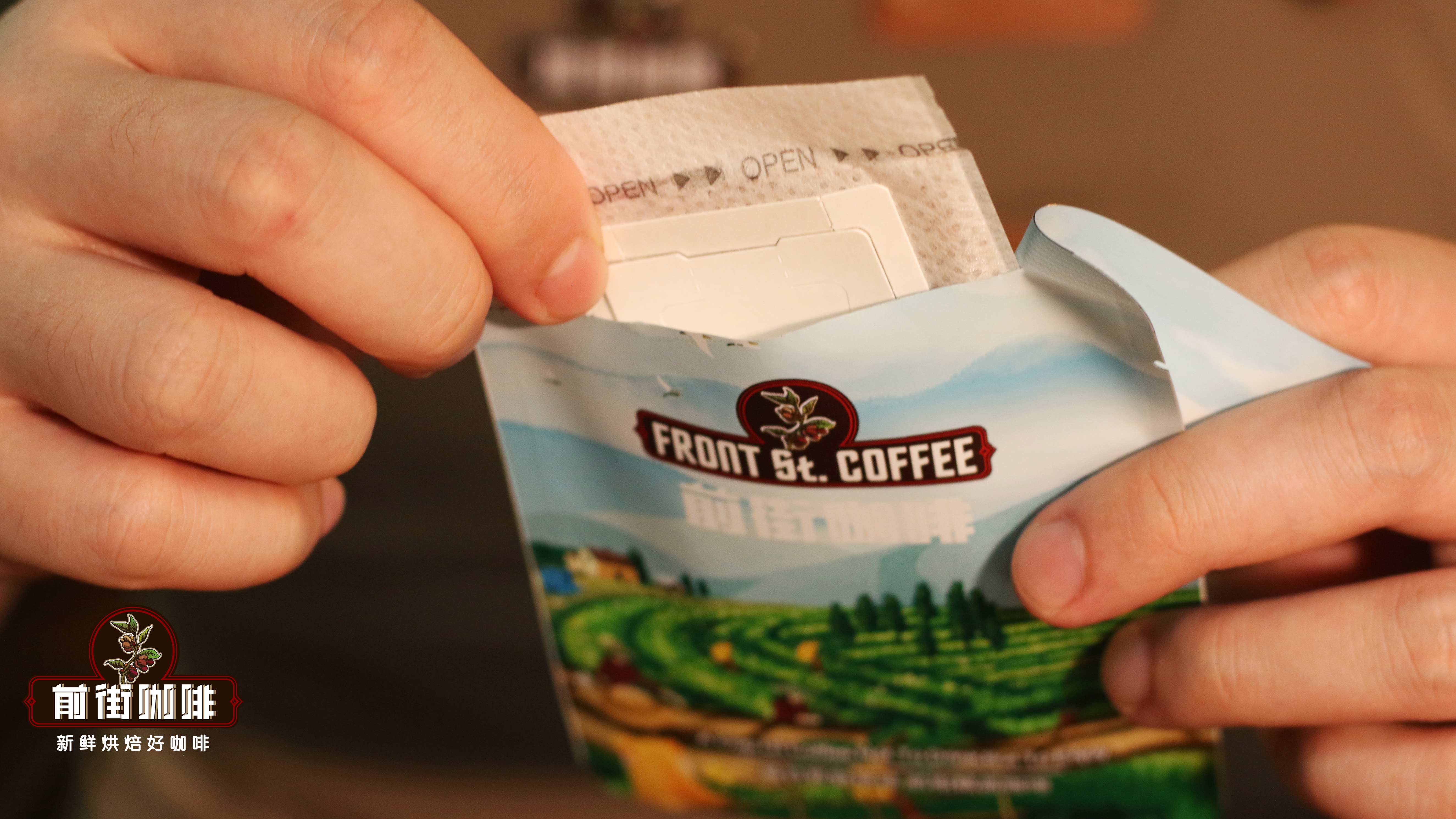
In 1990, Yamanaka Sangyo Co., Ltd. of Japan applied the concept of tea bags to coffee, inventing the drip bag coffee and applying for a patent. With the demand in the specialty coffee market, more and more people began to purchase drip bag coffee, in order to quickly and conveniently enjoy specialty coffee without needing to use a bunch of utensils and vessels. Front Street Coffee ( [more…]
Drip Bag Coffee Buying Guide: Recommendations for Five Flavor Categories of Single-Origin Coffee and Detailed Standard Brewing Steps
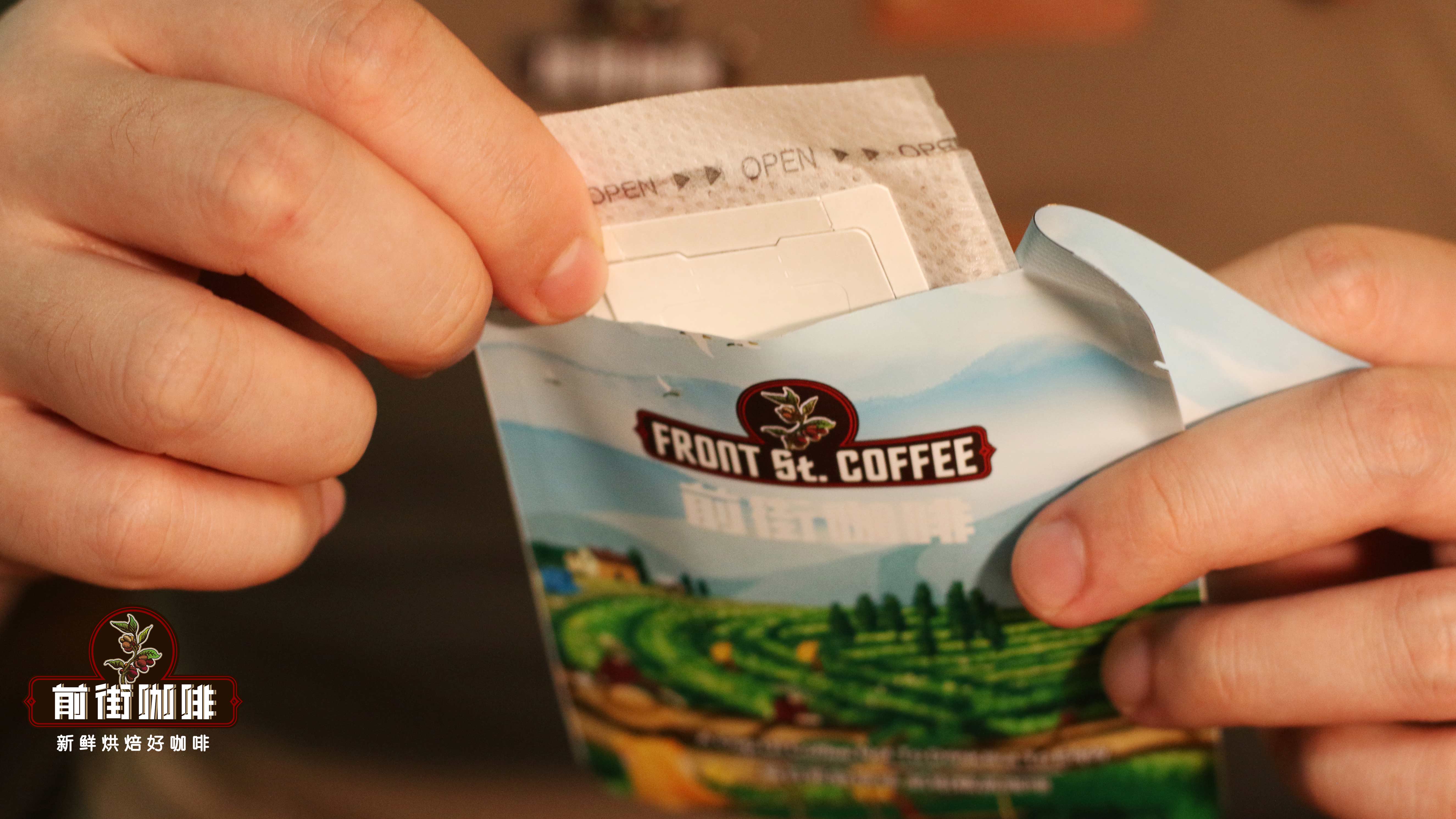
Drip bag coffee was first patented in 1990 by Japan's Yamanaka Sangyo Co., Ltd., which adapted the tea bag concept to coffee. Today, with the rise of the specialty coffee wave, this convenient yet quality-preserving brewing method is favored by more and more enthusiasts. This article selects five of the best-selling single-origin drip bag coffees, covering different flavor profiles such as tea-like, floral, fruity, fermented, balanced, and high-body. It also includes Front Street Coffee's quality control details in grinding and packaging, as well as standard operation diagrams from blooming to pouring completion, helping you consistently brew a good cup of coffee at home. [more…]
Types of Espresso Machines | What Is the Extraction Principle of an Espresso Machine? Recommended Beginner-Friendly Medium-Roast Espresso Blend Coffee Beans for Espresso Extraction
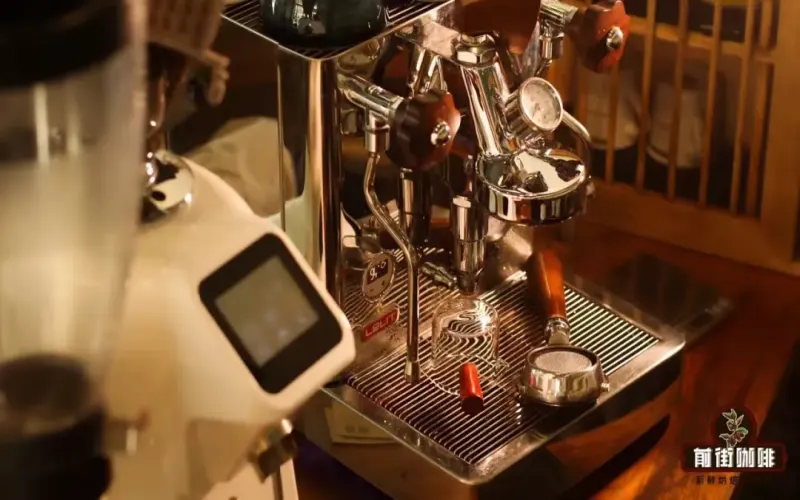
Espresso machines have an internal boiler design to facilitate the production of hot water. Then, near-boiling high-pressure hot water passes through a finely ground, evenly tamped puck of coffee to make a beverage of about 30 ml, with a rich flavor and a layer of dense crema. Espresso machines on the market [more…]
Starbucks capsule coffee self-service machines have been popping up in many places, with both Nestlé and Starbucks denying any official authorization.
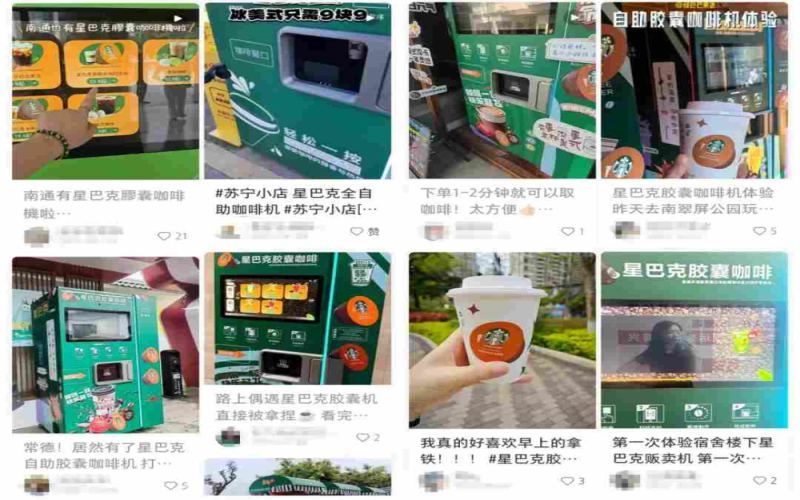
Recently, a capsule coffee self-service machine under the Starbucks banner has been popping up frequently in shopping malls, office buildings, subway stations, and other locations. With prices starting at 9.9 yuan, it has tempted many consumers to give it a try. However, a line of small print on the machine body reveals its connection to Nescafé Dolce Gusto, and some devices even carry franchise investment information. Both Nestlé and Starbucks China have responded, denying that the device is an officially authorized project. Who exactly is operating this "Starbucks self-service coffee" that has spread across many places? And how should consumers tell the difference? [more…]
A Complete Guide to Starbucks Coffee Brewing Methods: Espresso, Drip, Cold Brew, and Pour-Over — How Each Is Made and What It Tastes Like
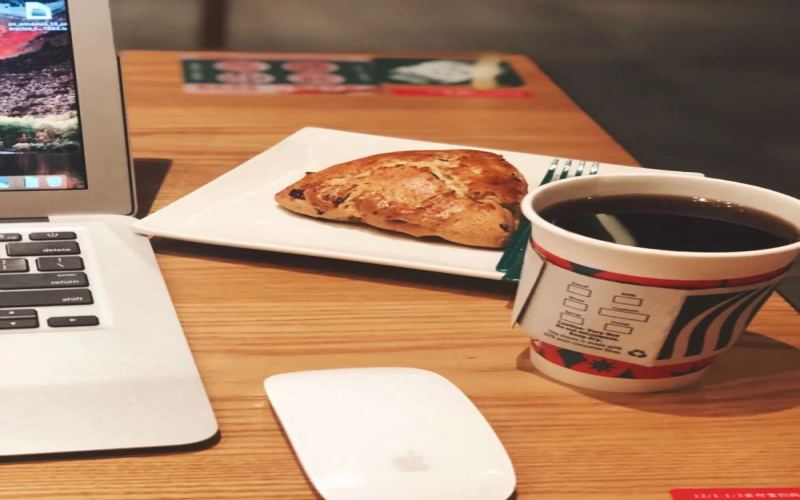
The relatively consistent quality of Starbucks stores worldwide is inseparable from its standardized coffee-making methods. Currently, coffee products in Starbucks stores mainly rely on four brewing processes: fully automatic espresso machines, coffee drip machines, cold water immersion extraction, and pour-over with filter cup and paper. Each method differs in grind size, water temperature control, extraction pressure, and time, and the resulting flavors also have different emphases. This article will examine these four processes one by one, analyze the characteristics of each, and recommend coffee categories worth trying based on Starbucks' menu structure. For coffee lovers who prefer a rich mouthfeel or pursue a crisp flavor, understanding these brewing principles can help them more precisely find the cup that suits them. [more…]
Coffee Wings Listing on the New Third Board and Free Wings Smart Coffee Machine: An Analysis of Yin Feng's New Retail Layout
CoffeeWings, as the first public company in China's coffee light-meal industry, was listed on the New Third Board in 2017, and under the leadership of Yin Feng, it launched the "Free Wings" smart coffee machine, entering the new retail sector. Investors such as He Jiong, Chen Ou, Xu Xiaoping, and Yao Jinbo appeared at the listing ceremony. With its features of being light and fast, and deeply penetrating the crowd, Free Wings plans to deploy more than 10,000 units by 2020, covering more cities nationwide. This article provides a detailed analysis of CoffeeWings' strategic layout, the product features of Free Wings and its alignment with new retail trends, while also exploring the competitive relationship between smart coffee machines and offline stores. [more…]
Home Espresso Machine Buying Guide: From Type Analysis to Front Street Coffee Bean Pairing Recommendations
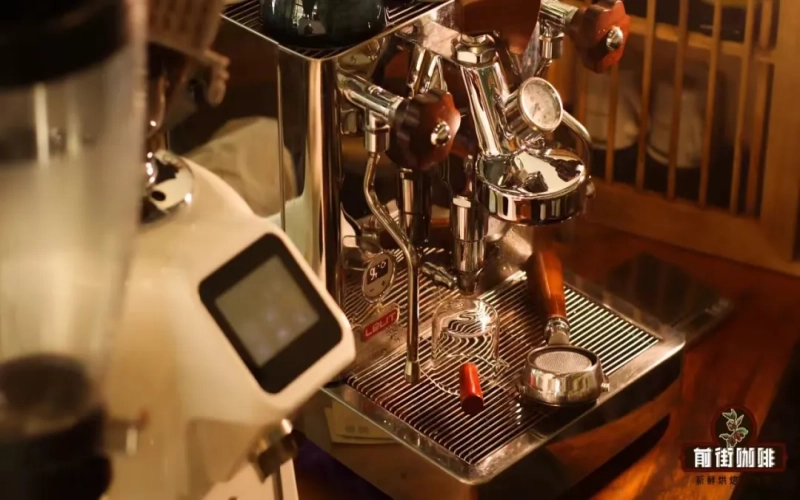
Faced with a dazzling array of coffee machines on the market, from semi-automatic and fully automatic espresso machines to capsule machines, from American drip coffee makers to electric siphon brewers, which one is truly right for you? This article systematically breaks down the working principles and core features of espresso machines, American coffee makers, electric siphon coffee makers, capsule coffee machines, and automatic pour-over coffee makers, helping readers make informed choices based on their actual needs. At the same time, for different machine types, it recommends suitable Front Street Coffee beans to pair with them, including Front Street Brazil Queen's Estate, Front Street Golden Mandheling, Front Street Strawberry Candy Espresso, Front Street Panama Geisha, Front Street Ethiopia Huakui, and more, so coffee lovers can find the most matching flavors while choosing the right machine. [more…]
The Origins and Unique Charm of Pour-Over Coffee: From the Melitta Filter to the Flavor Pursuit of the Third Wave
As the core of the third wave of coffee, pour-over coffee emphasizes savoring the original flavors of coffee, rejecting any additives, and preserving the most pristine aroma and taste. This wave is still evolving today. If you are also a pour-over enthusiast, you might want to learn about its history: from Melitta Bentz's invention of the filter brewing method in 1873 using blotting paper and a brass pot, to the patent registration in 1908, and then to the development of the Melitta company and the birth of the American coffee machine. This article will take you through the origins and characteristics of pour-over coffee, and how it has won over countless coffee fans. [more…]
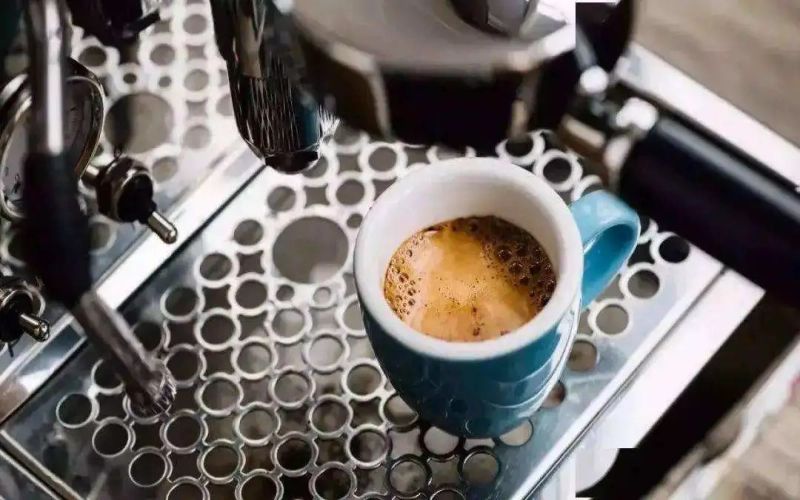
The Road to UNESCO Heritage Status for Espresso and the Century-Long Evolution of the Espresso Machine
A small cup of espresso carries Italy's profound cultural heritage and the marks of change from the industrial age. From the birth of steam-powered coffee machines at the end of the 19th century, to the iterative upgrades of spring piston and semi-automatic espresso machines in the 20th century, and then to today's globally popular café culture, espresso has gone through more than a century of development. At the same time, Italy has been working since 2016 to seek intangible cultural heritage status for espresso, and it has now finally entered UNESCO's formal review process. This article will take you through the history of the development of the espresso machine and bring you the latest progress on its heritage application. [more…]
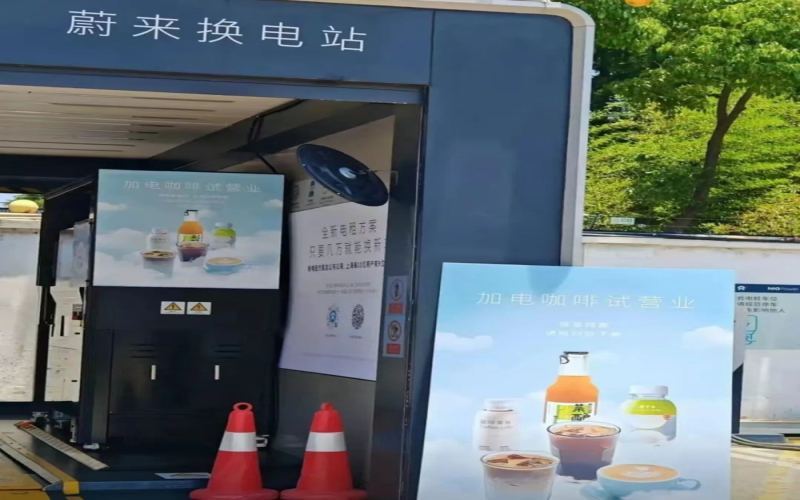
NIO Power Swap Stations Launch Freshly Ground Coffee Service: Robotic Arms Deliver Drinks to Car Windows, Shanghai Pilot Sparks Heated Discussion Among Owners
As early as 2022, the new energy vehicle brand NIO created its own coffee brand to offer exclusive beverages to customers visiting its stores. Recently, some owners have discovered that this coffee service has expanded from the stores to battery swap stations, where fully automatic coffee machines have been installed and are in the testing phase. After users place orders via a mobile mini-program, the coffee is precisely delivered by a robotic arm to the driver's window, while bottled drinks are handed over by staff. Currently, only the Minxin Tea City battery swap station in Shanghai is running a trial of "charging coffee," and the brand says it will adjust the equipment based on feedback and may expand it nationwide in the future. This cross-industry service has drawn praise from car owners and also sparked discussions about safety and scenario expansion. [more…]
How to Choose a Home Espresso Machine? What Coffee Beans and Brewing Process to Pair with De'Longhi, Gemilai, and Philips
Thinking about adding an espresso machine to your home but not sure where to start? This article covers the practicality of home espresso machines, the characteristics of mainstream brands, key purchasing considerations, and coffee bean pairings. It includes positioning and price references for common models from De'Longhi, Philips, EUPA, Gemilai, and others, along with beginner-friendly Front Street espresso bean recommendations and a complete espresso brewing process. Whether you're just getting started or preparing to upgrade your equipment, you'll find practical answers here. [more…]